
More Than Two Months in the Air: The Incredible Story of the Longest Flight in Human History
the longest flight in aviation
BLOGRECENTESHISTORY
12/10/20253 min read
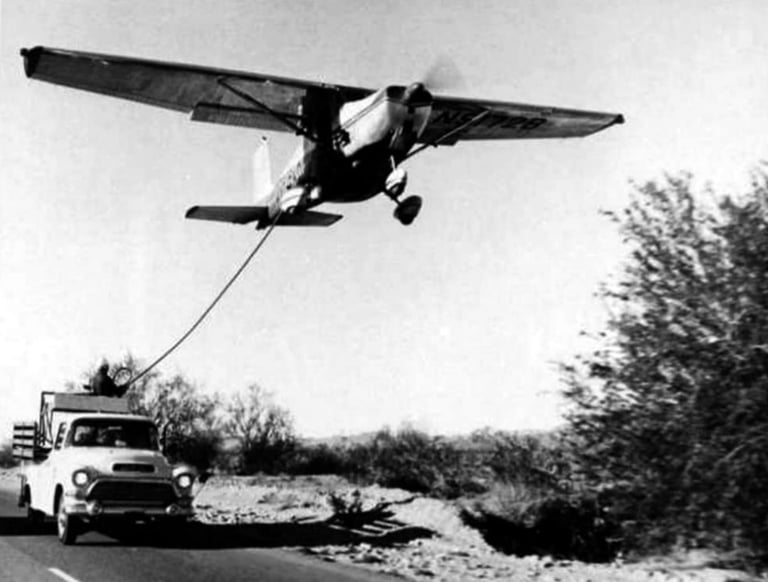
Have you ever imagined spending more than two months without setting foot on the ground? No, we’re not talking about astronauts, but about two pilots who, in 1958, pushed the limits of human and mechanical endurance, breaking a flight record that remains unbeaten to this day!
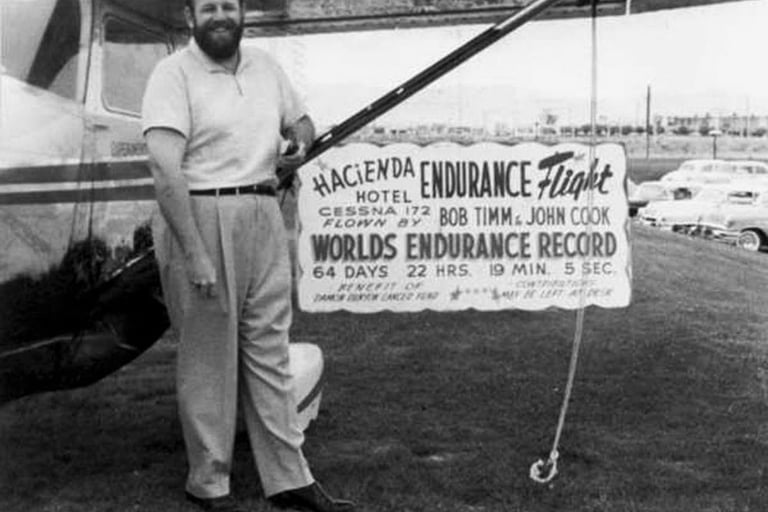
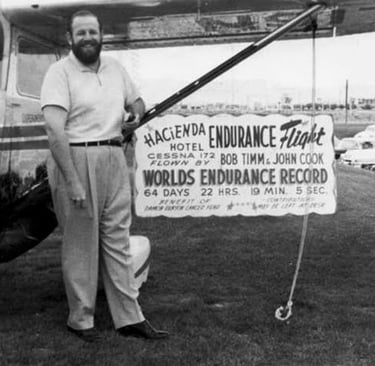
Get ready to embark on a fascinating journey, full of curious details about the longest manned flight in history: an impressive 64 days, 22 hours, 19 minutes, and 5 seconds in the air!
Meet the Unbeatable Duo: Timm & Cook
At the center of this feat were Robert Timm and John Cook. Timm was a World War II veteran and former test pilot, with a passion for breaking records. Cook was an aircraft mechanic with remarkable talent. Together, they formed the perfect team for this daring adventure.
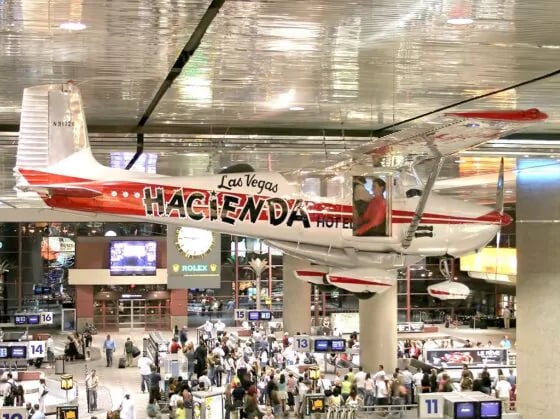
The Unexpected Hero: A Cessna 172 Named "Hacienda"
The mechanical star of this story wasn’t a giant of the skies, but rather a modest Cessna 172, a popular and reliable single-engine aircraft. For the mission, it was affectionately nicknamed "Hacienda" and underwent a series of essential modifications:
Extra Tank: A huge additional fuel tank was installed in the passenger cabin, turning the small plane into a fuel-hungry giant.
Secret Hatch: A “service door” was created to allow fuel and supplies to be transferred during flight.
No Rear Seats: To make room for the tank and facilitate pilot movement, the rear seats were removed.
Autopilot: A crucial tool that allowed the pilots to rest (even if only briefly).
The Historic Takeoff and the Almost Daily Challenge
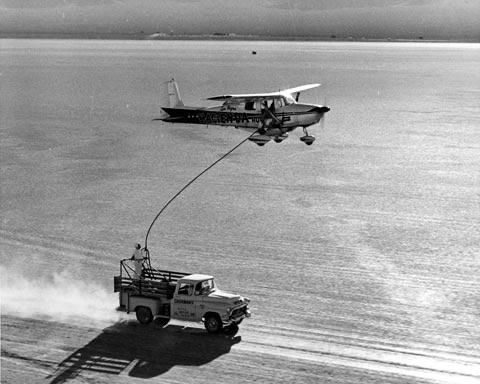
On December 4, 1958, the "Hacienda" took off from Las Vegas, Nevada, beginning its epic journey. The main goal was to break the previous record of 46 days. But how do you keep a plane in the air for so long? The answer was simple (and at the same time incredibly complex): in-flight refueling!
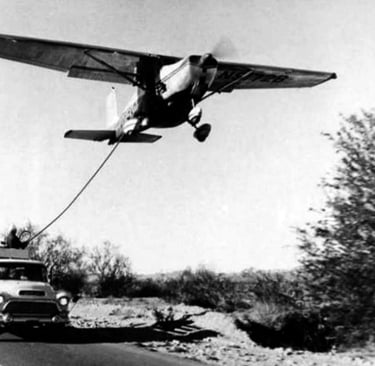
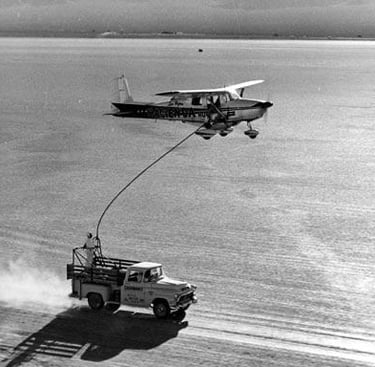
Picture the scene: the Cessna flew low, just a few meters above the ground, while a modified truck sped along a road below. From the truck, a hose was raised and, with a manual pump, fuel was transferred to the plane. This happened almost daily! In addition to fuel, they received food, water, engine oil, and even newspapers.
Curiosities and Hardships Onboard
The “Mailbox”: To receive food and other necessities, they used a cable to pull up a kind of “mailbox” tied to the refueling hose.
Hygiene? A Challenge! Personal hygiene was another issue. Imagine taking sponge baths in a cramped space for over two months! Clothes were washed with water from the refueling truck’s radiator.
Mechanical Problems and Aerial Repairs: The flight wasn’t all glamour. The engine began to show problems. Timm and Cook had to perform risky repairs mid-flight! On one occasion, Cook had to step out of the plane to fix something on the engine, strapped in with a safety belt, while Timm piloted. What courage!
The Clean Window: To maintain visibility, they devised a technique to clean the windshield using a string and a cloth, swinging it back and forth.
The “Daily Routine”: They established a routine to divide piloting, sleeping, and maintenance tasks. The autopilot was essential, but exhaustion was constant.
The Triumphant Landing and an Unbreakable Record
Finally, on February 7, 1959, after 64 days in the air, the "Hacienda" made its triumphant landing at the same Las Vegas airport. A crowd awaited them. The final proof that the record was real? Before takeoff, the tires had been marked with white paint. Upon landing, the marks were intact, proving the plane had never touched the ground.
Timm and Cook’s achievement is a testament to human tenacity, ingenuity, and passion for aviation. It’s a record that, by its very nature and the logistical challenges involved, will likely never be broken.
It’s the story of how two men and a small Cessna redefined what was possible in the sky!
Which part of this adventure did you find most fascinating?
The Hacienda aircraft is now on display at McCarran Airport in Las Vegas (Daniel Piotrowski/Creative Commons).
Contact
Fale conosco para mais informações.
© 2025. All rights reserved.
About me